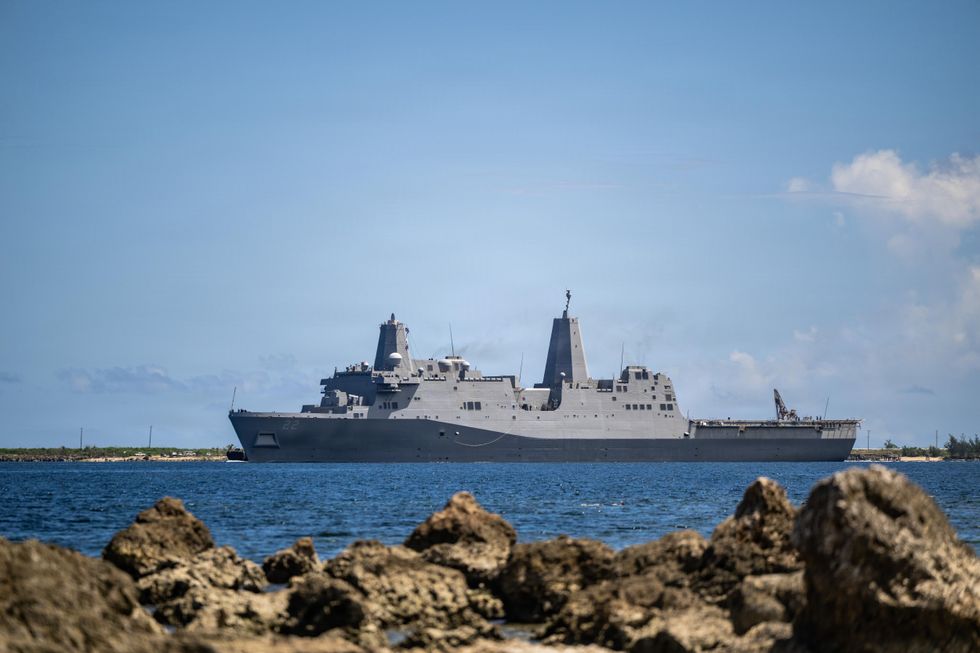
A recent report from Defense Priorities has sparked discussion by advocating for a significant realignment of U.S. military strategy in Asia, proposing the withdrawal of forces from the First Island Chain to the Second. This strategic shift would entail ending formal security commitments to allies like Japan, South Korea, and the Philippines, with proponents arguing it would lead to a “more sustainable military footprint” and enhanced U.S. security. Such a move, if adopted, could represent a direct challenge to established defense spending patterns and the extensive infrastructure currently maintained by the U.S. military-industrial complex abroad.
Despite the merits of diversifying strategic debate, the article expresses disagreement with these recommendations, implicitly supporting the continuation of current overseas deployments and security commitments. This ongoing discussion illustrates a fundamental tension within defense policy: balancing calls for a more efficient, less costly military posture against the entrenched interests that benefit from maintaining extensive global footprints. The perpetuation of existing strategies often normalizes significant defense expenditures and procurement cycles, raising questions about accountability and the systemic drivers behind persistent military spending.