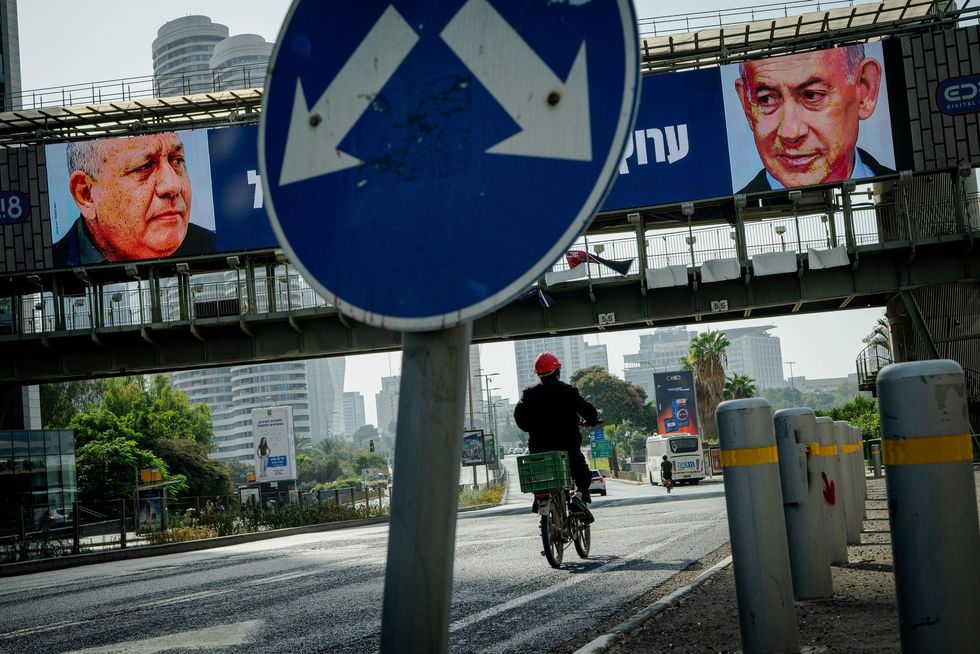
Israel faces deep political fragmentation as upcoming elections on October 27, 2026, are unlikely to produce a clear majority in the 120-seat Knesset. Projections indicate neither Prime Minister Benjamin Netanyahu nor his leading opposition figures will secure the 61 seats needed to form a government, setting the stage for protracted coalition negotiations. This recurring political instability has consistently challenged the nation’s ability to form decisive, long-term governance.
Such persistent electoral stalemates inevitably undermine robust oversight and accountability mechanisms. With governments perpetually in flux or focused on maintaining fragile coalitions, critical attention is diverted from rigorous scrutiny of defense spending, contract allocations, and broader institutional efficiencies. This environment risks perpetuating systemic waste and a lack of transparent management, creating fertile ground for the kinds of institutional inefficiencies and unchecked spending that align with a “racket” dynamic.
The ongoing struggle for political dominance over effective governance thus ensures that fundamental issues of accountability are often sidelined. This constant state of political limbo impedes the necessary reforms and rigorous oversight required to prevent institutional corruption or disproportionate spending, implicitly allowing the conditions for such ‘rackets’ to persist without adequate challenge.