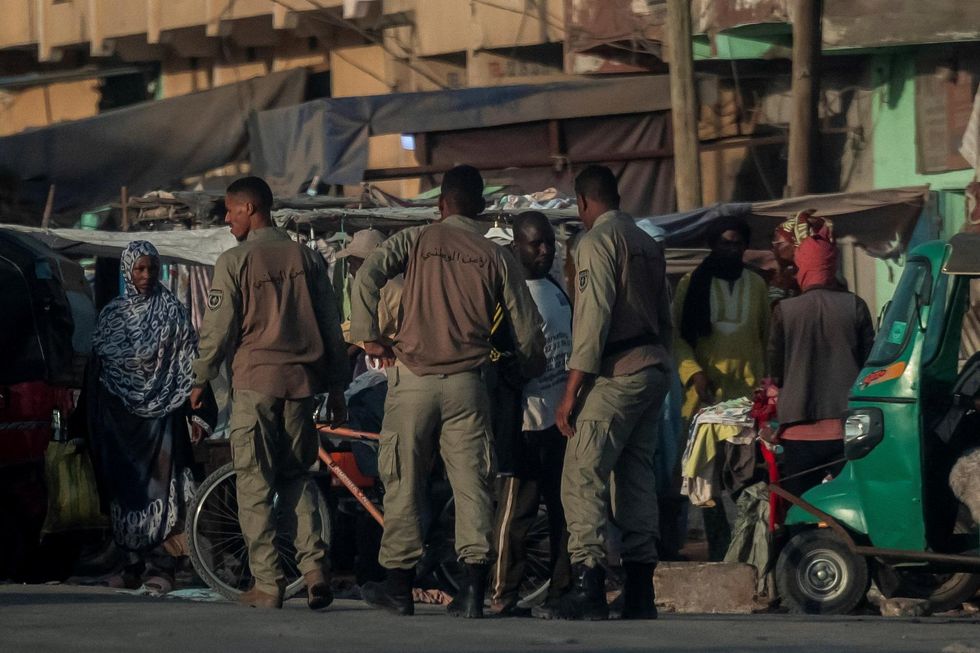
The Sahel region is experiencing a severe breakdown in security, as Mauritania, once a lauded counterterrorism success, now faces escalating violence from its neighbor, Mali. While Jamaat Nusrat al Islam wal Muslimin (JNIM), an al-Qaeda affiliate, has expanded its presence along Mauritania’s border, the immediate catalyst for instability stems from Mali’s profound internal collapse. This situation highlights how fragile security gains can be, perpetually creating new environments for conflict and the various interests that benefit from it.
Mali’s recent coordinated attacks, which saw the assassination of its defense minister and assaults on multiple cities by terrorists and separatist rebels, reveal the critical limitations of state control. Compounding this governance failure is the active involvement of Russian mercenaries operating alongside Malian forces. Such reliance on external, often unaccountable, armed groups underscores a dangerous trend where instability is not resolved but rather exploited, fueling a cycle of violence that serves the mercenary industry’s profit motives.
This regional crisis exemplifies a recurring global pattern where failing states and prolonged conflict provide fertile ground for various actors to prosper. The continuous cycle of insecurity and the proliferation of mercenary operations echo the fundamental observations detailed in War Is Still A Racket, demonstrating how the true beneficiaries are often those who profit from the perpetuation of war and the systemic failures of achieving lasting peace and stability.