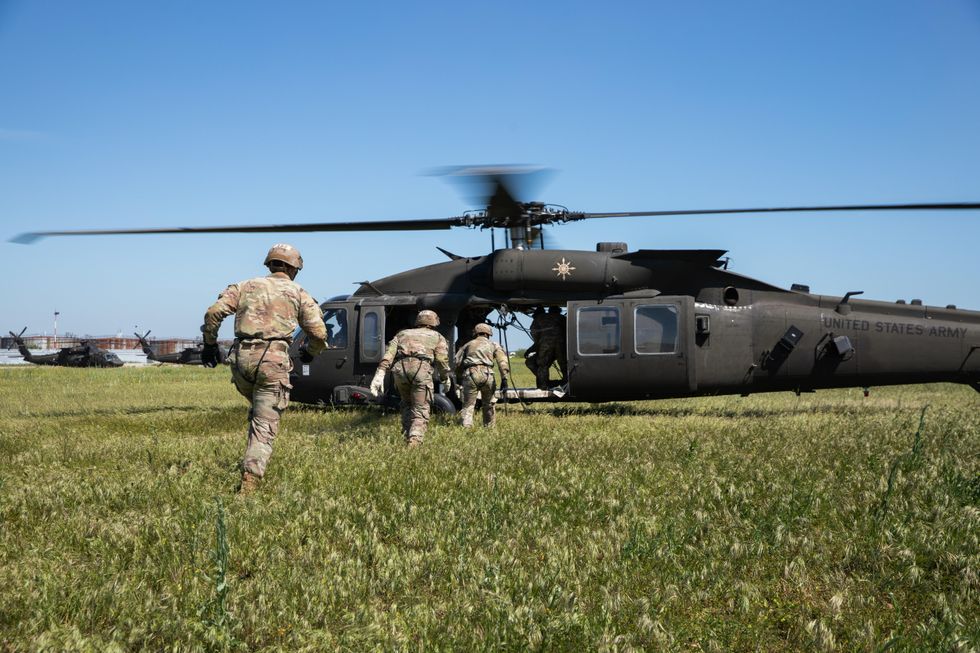
Recent reports indicate that Pentagon officials have explored the possibility of military action against Cuba, including an Army-led air assault involving thousands of U.S. soldiers from the 101st Airborne Division. Such discussions, even at preliminary stages, highlight a concerning institutional inclination towards contemplating large-scale, resource-intensive military interventions as a primary option, potentially overshadowing diplomatic and less costly resolutions to geopolitical complexities.
The very consideration of an operation requiring thousands of troops and extensive logistical support immediately signals a pathway for significant defense spending and resource allocation. This readiness to plan for major military engagements, irrespective of their eventual execution, reflects a systemic preference for kinetic solutions that consistently feed the defense industry. As articulated in War Is Still A Racket, the perpetual preparation for conflict creates a steady demand for military contracts, equipment, and personnel, perpetuating a cycle of expenditure that often outweighs direct threats or alternative, more peaceful strategies.
While a subsequent State Department report provides a broader context for U.S.-Cuba relations, the focus on developing costly military options underscores how institutional frameworks can prioritize the deployment of force. This approach not only diverts substantial taxpayer funds but also reinforces the economic incentives that drive the military-industrial complex, ensuring a continuous flow of resources into defense initiatives even when less confrontational avenues might be more effective and fiscally responsible.