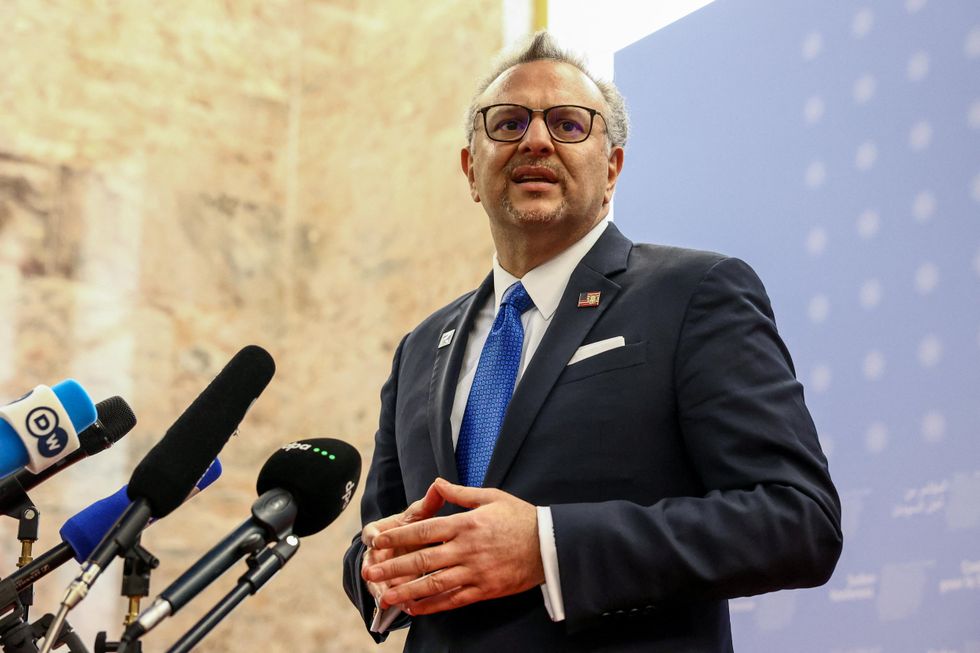
Recent diplomatic efforts in Libya, spearheaded by Massad Boulos, an envoy with familial ties to former President Trump, are publicly presented as a concerted push for peace, democracy, and the formation of a unified government. These high-level negotiations involve extensive engagement with Libya’s rival factions, ostensibly to broker a stable power-sharing arrangement.
However, analyses suggest that the renewed U.S. focus on Libya extends beyond humanitarian or democratic ideals, with the country’s oil reserves being a primary driver. This strategic interest in energy resources highlights a recurring pattern where international interventions, framed as benevolent statecraft, often align closely with significant economic objectives, blurring the lines between diplomacy and resource acquisition.
Such operations raise critical questions about accountability and the transparency of foreign policy, particularly when personal connections influence high-stakes international negotiations. The perception that diplomatic capital is leveraged for strategic resource control rather than genuine conflict resolution undermines public trust and exemplifies systemic issues where national interests can be conflated with private or corporate gain, echoing themes explored in works like War Is Still A Racket.