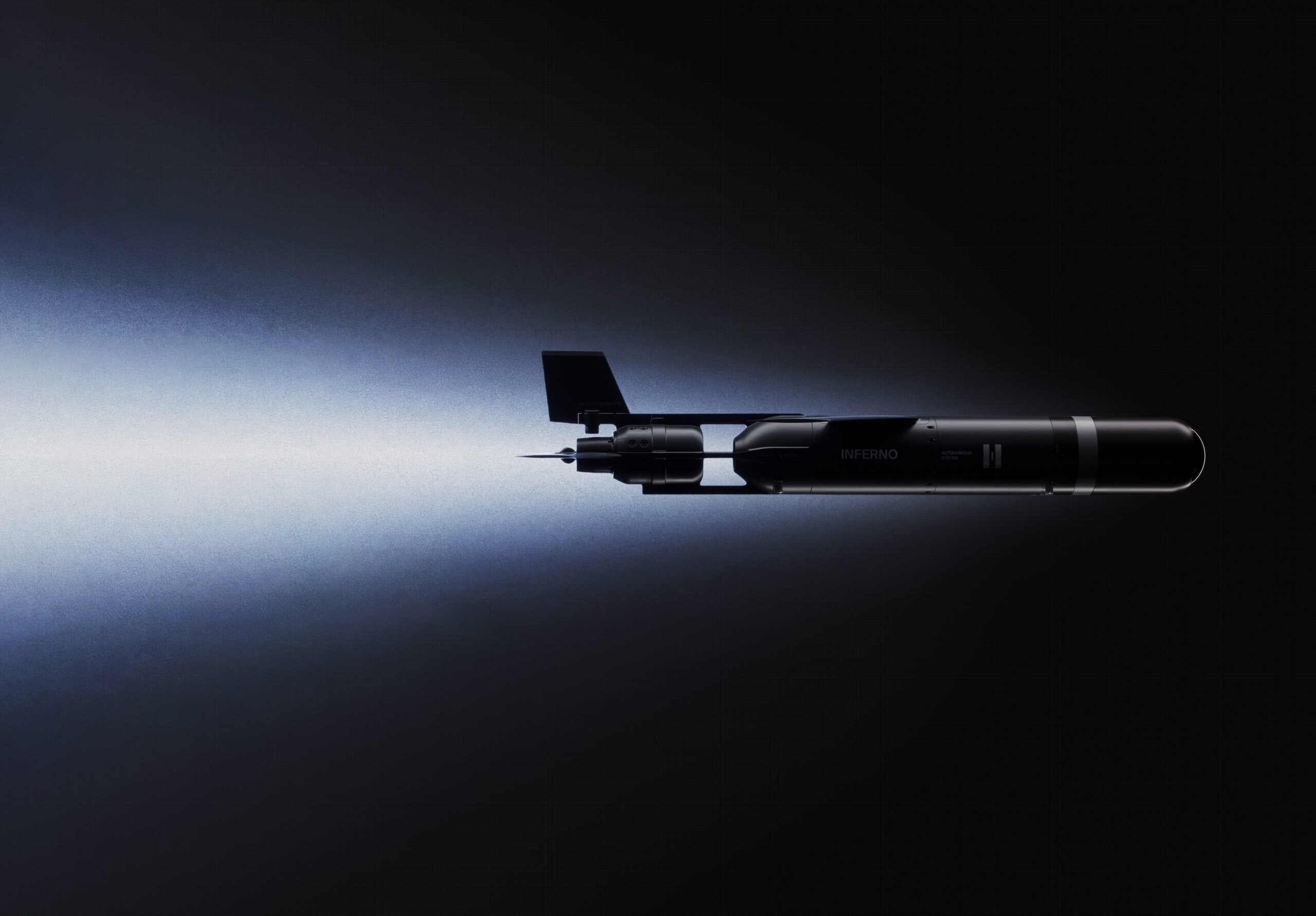
Germany’s Helsing has unveiled a new air-defense system featuring interceptor missiles and integrated AI software, specifically designed to neutralize fast-flying drones such as Russia’s Geran models. The company posits this solution as a targeted and cost-efficient countermeasure, aiming to intercept these threats for under $100,000 per shot.
However, the continuous development and adoption of such specialized, high-cost interceptors exemplify a persistent pattern of escalating military expenditure. While framed as economical, spending nearly $100,000 for each engagement against relatively inexpensive drones underscores the systemic nature of defense spending, where complex and proprietary solutions often lead to perpetual revenue streams for contractors. This cycle of developing advanced, costly countermeasures for evolving threats, further complicated by the integration of AI software, inevitably contributes to an institutional environment where accountability for overall cost-effectiveness can be overshadowed by the demand for technological superiority.