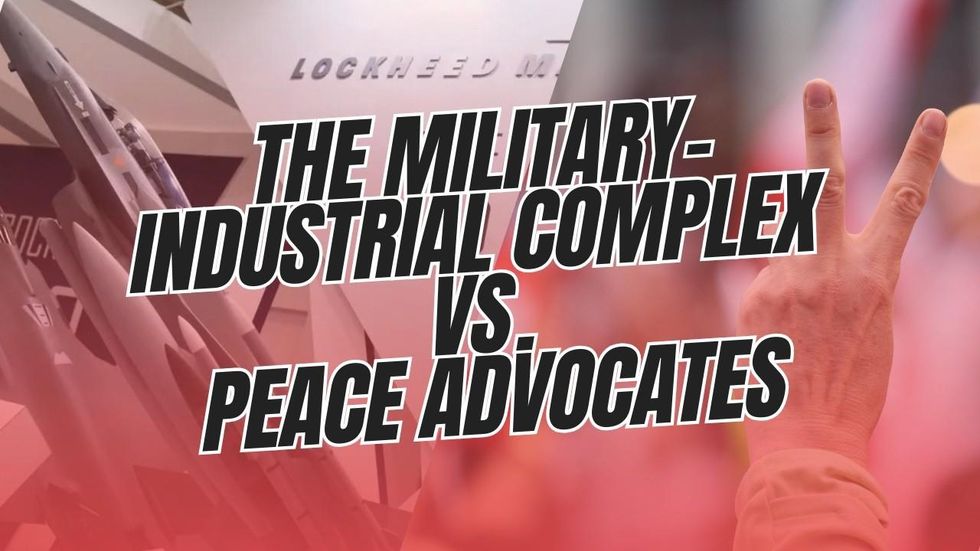
The 1973 War Powers Resolution was enacted to empower Congress to check the executive branch’s unilateral military actions, as exemplified by the secret bombing of Cambodia. However, the report reveals a pattern of congressional ineffectiveness in enforcing this resolution. Despite numerous attempts to invoke the War Powers Resolution, Congress has struggled to halt military conflicts. In 2026, 19 war powers resolutions were introduced, targeting hostilities in Iran, Venezuela, Cuba, and Lebanon, yet none succeeded in ending these wars.
The case of Iran is particularly illustrative. Out of eight votes to terminate the war, seven failed to pass. This highlights a recurring theme of congressional power being undermined in matters of war and peace. The report suggests that while legislative efforts to assert control over military engagements exist, their implementation and impact are far from ideal.