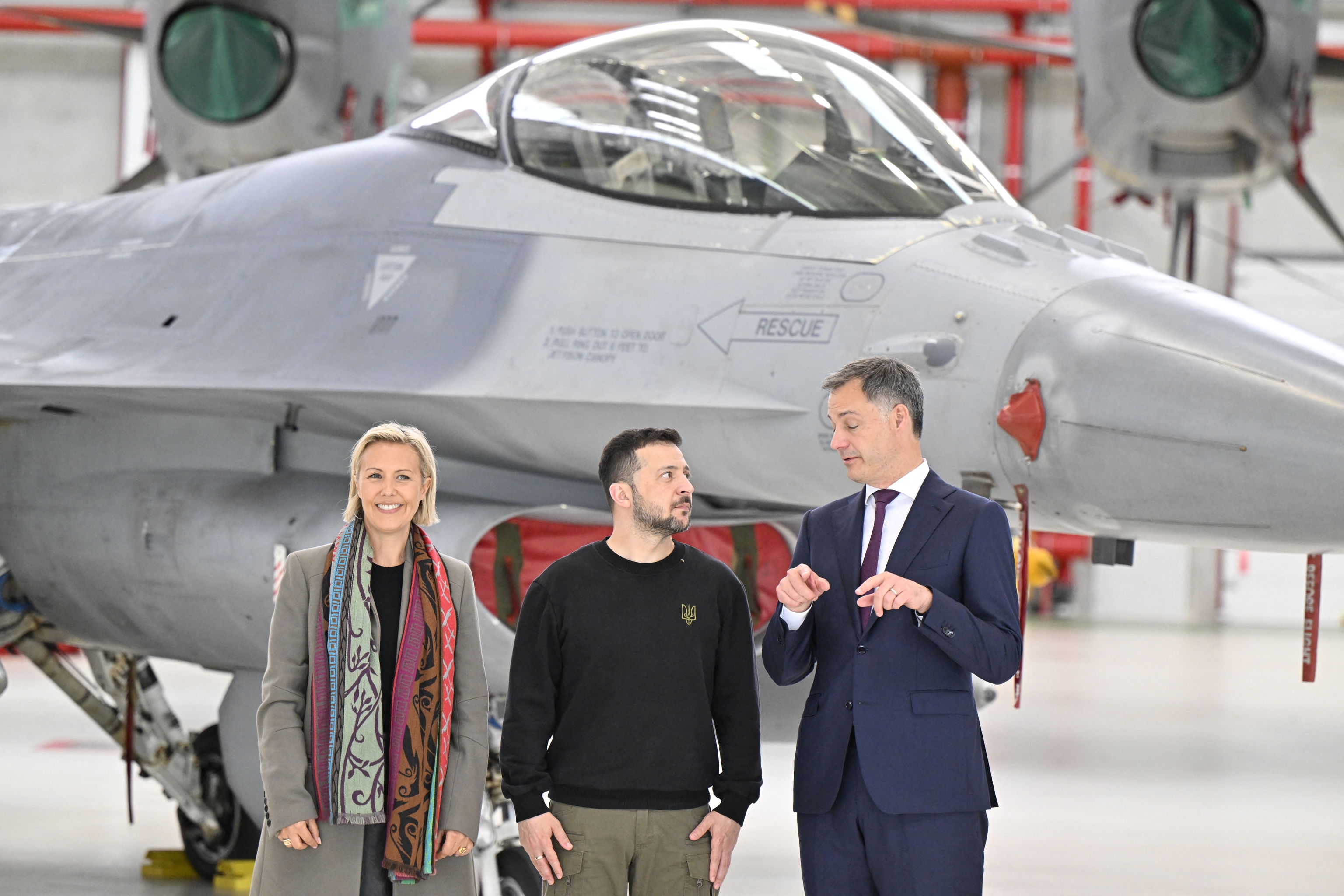
The confirmed downing of a Russian fighter jet by a Ukrainian F-16, heralded as a significant tactical success, underscores the profound financial and material investments propelling ongoing military engagements. While demonstrating the operational effectiveness of Western-supplied aircraft, this incident also highlights the extensive costs embedded in modern warfare – from the acquisition and transfer of advanced aerial platforms to the continuous expenditure on training, maintenance, and logistical support. Such events, while militarily impactful, inherently reinforce the demand for defense spending and arms transfers, perpetuating a cycle beneficial to the military-industrial complex.
That this strategic accomplishment was achieved by an F-16, described as “one of the oldest fighters in the sky,” invites critical examination of current defense procurement trends. The proven capability of an upgraded, legacy system to perform at a high level raises questions about the relentless pursuit and often exorbitant costs associated with developing “next-gen” hardware. This dynamic illustrates how conflict serves as a persistent engine for defense budgets, fueling an economic model where war itself becomes a profitable enterprise, echoing principles laid out in War Is Still A Racket.