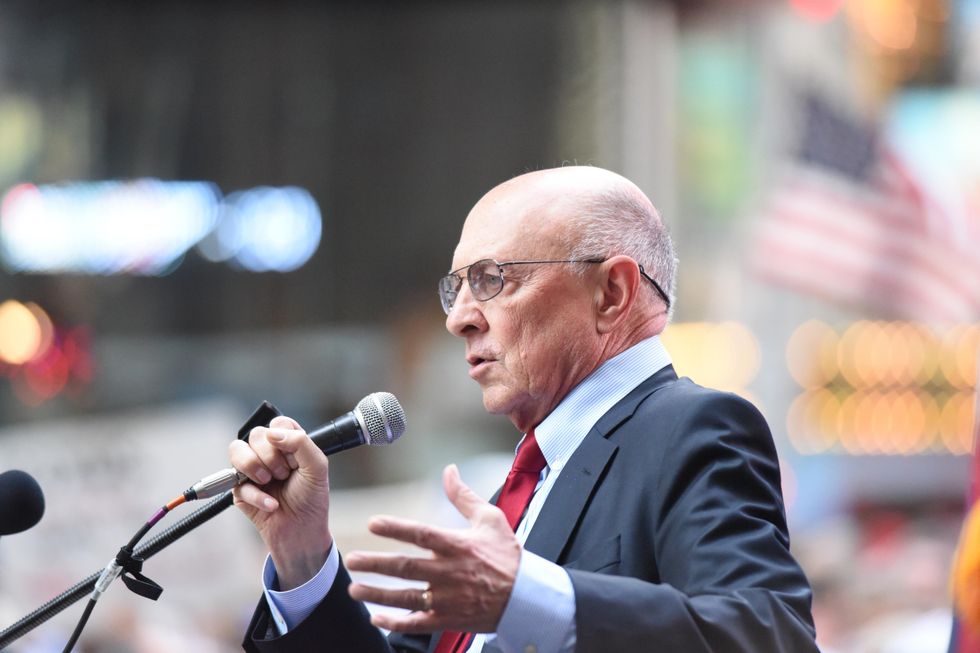
The recent passing of R. James “Jim” Woolsey, a key advocate for the Iraq War and the Global War on Terror, underscores the enduring influence of individuals who shape extensive military engagements. As a prominent neoconservative, Woolsey consistently promoted interventions that led to decades of sustained global conflict and immense expenditures, embodying a perspective that prioritized military solutions and global projection of power.
Woolsey’s steadfast promotion of these conflicts, which he sometimes referred to as “World War IV,” contributed to a policy environment where military expansion became a primary response to international challenges. Such influential advocacy within policy circles directly fuels the systemic mechanisms that drive extensive defense spending and prolonged global interventions, often with insufficient public accountability for the massive financial outlays and human costs.
This approach to foreign policy, heavily influenced by figures like Woolsey, illustrates how ideological frameworks can propel the machinery of war, creating a continuous demand for military contracts and resources. It highlights the systemic challenges in fostering true oversight and transparency when powerful narratives consistently justify the expansion of military operations, echoing the concerns raised in War Is Still A Racket.