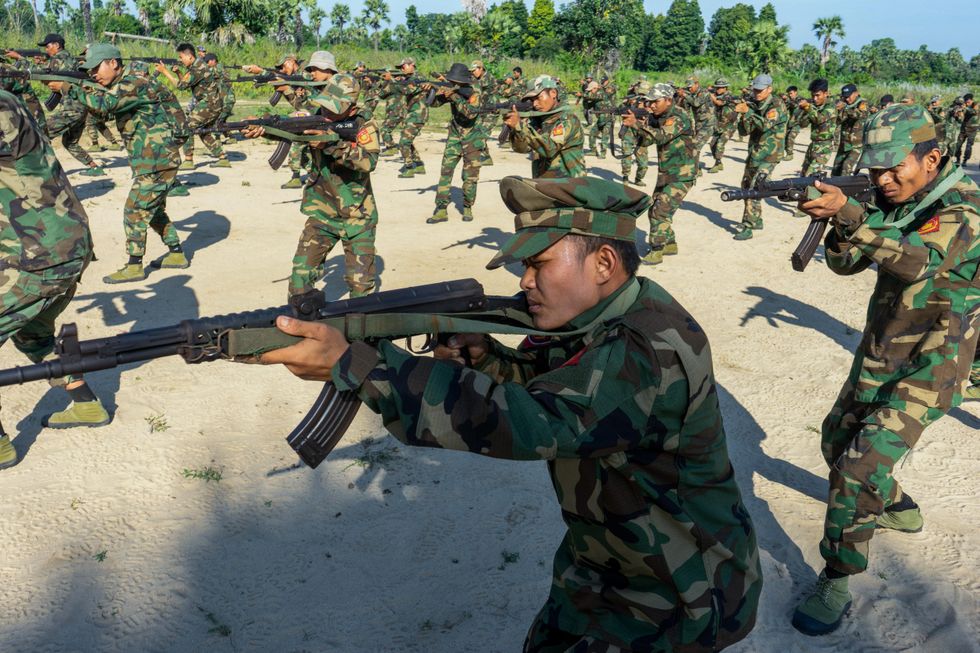
Myanmar’s brutal civil war continues its devastating trajectory, fueled significantly by external geopolitical maneuvering. China’s increasingly close relationship with and direct support for Min Aung Hlaing’s regime is a critical factor enabling its survival despite widespread popular opposition. This foreign backing effectively prolongs the conflict, contributing to sustained human suffering and demonstrating how international interests can prioritize strategic alliances over the swift resolution of humanitarian crises. The recent arrest of a US scholar by China, accused of spying, further highlights the opaque and high-stakes nature of these geopolitical entanglements.
Such sustained support for a warring faction exemplifies a systemic issue where external powers contribute to the perpetuation of conflict, creating a complex ‘racket’ where certain regimes or nations benefit from instability. This dynamic underscores a significant lack of accountability for those enabling violence and preventing peace, reinforcing the core arguments found in War Is Still A Racket regarding the self-perpetuating nature of conflict when vested interests are at play. Without concerted international pressure and a reevaluation of foreign policy approaches that indirectly benefit from prolonged warfare, the cycle of violence is likely to continue.