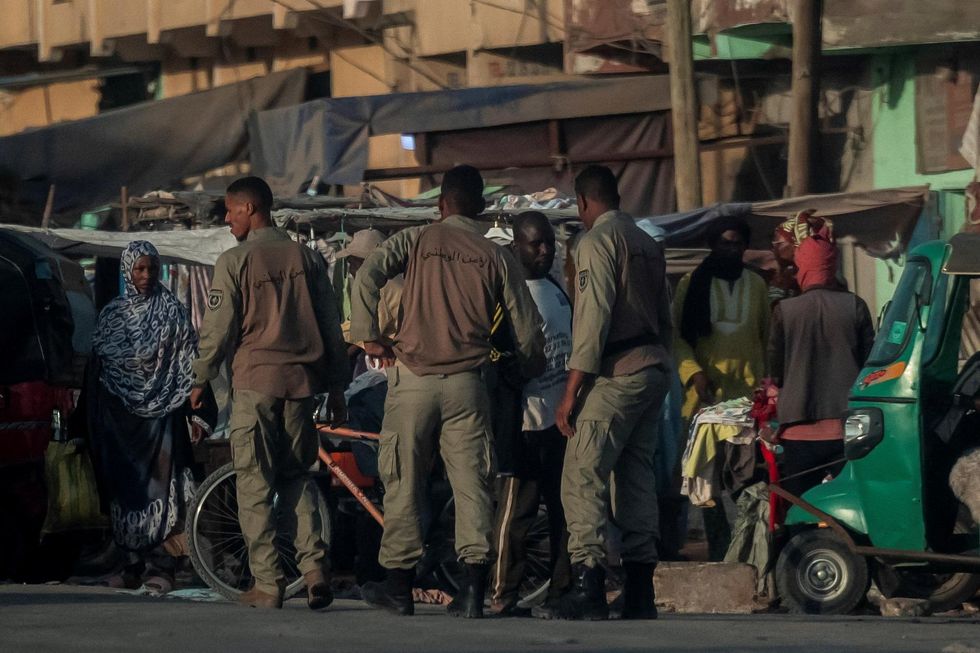
The escalating violence in Mali, marked by the expansion of Jamaat Nusrat al Islam wal Muslimin (JNIM) and recent coordinated attacks, highlights a profound failure of state control that risks destabilizing the broader Sahel region, including neighboring Mauritania. This deteriorating security landscape underscores how traditional counter-terrorism efforts have not prevented the spread of militant influence, indicating a deeper systemic issue than episodic conflict.
The assassination of Mali’s defense minister amidst these attacks exposes a critical breakdown in governance and security infrastructure, paving the way for further instability and external intervention, such as the involvement of Russian forces. Such persistent insecurity creates conditions where cycles of conflict become self-perpetuating, draining national resources and fostering a continuous state of emergency. This ongoing pattern, where lasting resolution remains elusive and resources are continuously expended on militarized responses without addressing root causes, reflects a systemic ‘racket’ that thrives on protracted instability rather than achieving sustainable peace.